
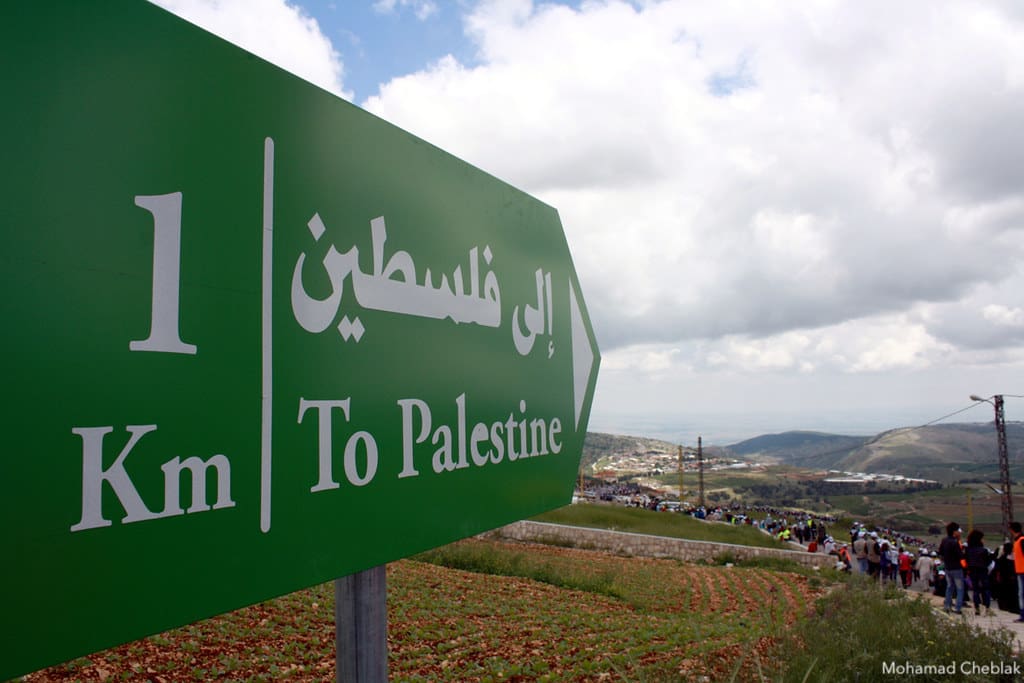
The issue of Palestinian refugees is a central and enduring aspect of the Israeli-Palestinian conflict, dating back to the 1948 Arab-Israeli War, known to Palestinians as the Nakba, or catastrophe. During this period, hundreds of thousands of Palestinians were displaced from their homes, leading to a refugee crisis that persists to this day.
Today, Palestinian refugees are scattered across the Middle East, with significant populations residing in Jordan, Lebanon, Syria, and the West Bank and Gaza Strip. Many live in refugee camps, which were originally intended as temporary shelters but have become permanent fixtures due to protracted conflict and political stalemate.
The United Nations Relief and Works Agency for Palestine Refugees (UNRWA) plays a crucial role in providing essential services such as education, healthcare, and humanitarian assistance to Palestinian refugees. However, UNRWA faces financial challenges and political pressures, impacting its ability to meet the growing needs of refugees.
Palestinian refugees continue to face legal, economic, and social challenges, including restricted access to employment opportunities, limited freedom of movement, and precarious living conditions. The lack of a durable solution to their plight perpetuates cycles of poverty and vulnerability among refugee populations.
Efforts to resolve the refugee issue, including proposals for resettlement, compensation, or return, remain contentious and unresolved. The right of return for Palestinian refugees to their original homes and properties in what is now Israel remains a core demand for many Palestinians, while Israel opposes this right, citing demographic and security concerns.
The Syrian civil war and conflicts in Lebanon and Gaza have exacerbated the refugee crisis, displacing Palestinians multiple times and worsening their living conditions. The international community’s attention to the Palestinian refugee issue has fluctuated, impacting funding and support for humanitarian efforts.
Looking forward, addressing the plight of Palestinian refugees requires comprehensive political will, international cooperation, and a commitment to human rights and dignity. A just and sustainable resolution to the Israeli-Palestinian conflict must include addressing the refugee issue as part of broader peace negotiations.
In conclusion, Palestinian refugees face ongoing challenges rooted in historical displacement and political complexities. Their situation underscores the urgent need for a negotiated settlement that respects their rights, ensures their well-being, and contributes to lasting peace and stability in the region.